Small Warehouse for Rent Jeddah
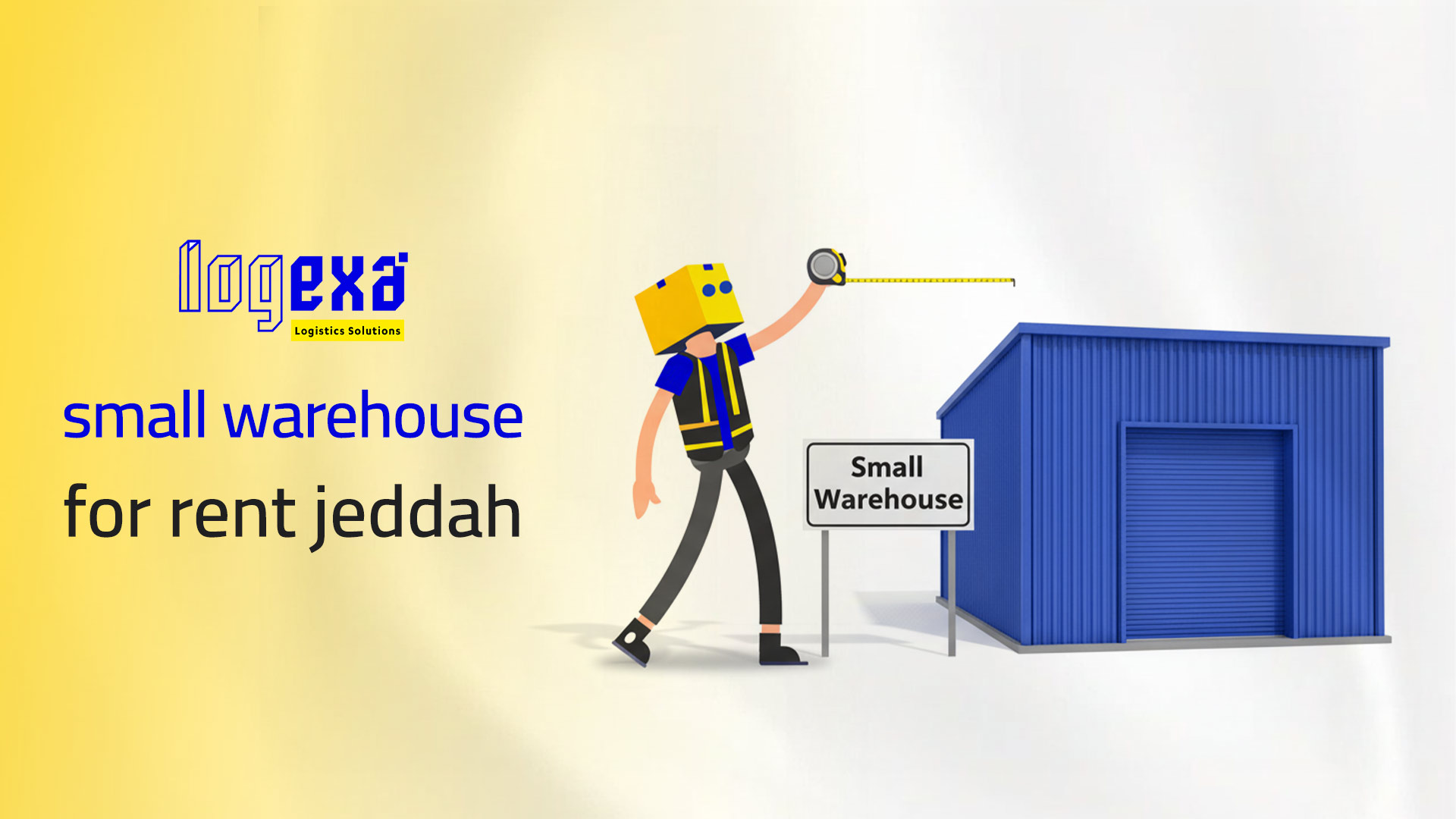
Small Warehouse for Rent Jeddah The Scalable Storage Solution for Growing Businesses
Jeddah's dynamic commercial environment, fueled by rapid business expansion, has created intense demand for flexible, smaller-scale storage options. For businesses requiring scalable storage solutions, securing a traditional small warehouse for rent in Jeddah is often impractical due to high costs, fixed square footage, and rigid multi-year lease agreements.
The conventional real estate market primarily caters to large-scale distribution centers. Consequently, businesses needing just a few hundred pallet positions are forced to pay for significantly more space than they require, incurring unnecessary capital expenditure (CAPEX) for utilities, security, and maintenance of an entire facility. This lack of appropriate small scale options stifles growth and reduces profitability for agile companies.

Shifting Focus: From Square Footage to Operational Service
The effective solution bypasses the traditional leasing model entirely and focuses on shared logistics storage services. Instead of renting a fixed building, modern businesses partner with third-party logistics (3PL) providers who offer dedicated storage capacity within a larger, optimized facility.
This model delivers the benefits of a small warehouse in Jeddah without the overheads, effectively turning a fixed infrastructure cost (CAPEX) into a variable operational expense (OPEX). Businesses only pay for the specific pallet positions and cubic meters they utilize each month.
Key advantages of this agile approach include:
-
Optimal Location Access: Gain immediate access to prime, strategically located warehouses near key distribution routes and urban centers—locations often too expensive or unavailable for a standalone small business lease.
-
Immediate Scalability: Businesses face massive inventory swings. This model allows seamless expansion during peak seasons (like national holidays or seasonal demand) and rapid contraction afterward, ensuring costs always match demand.
-
Integrated Technology: You benefit instantly from sophisticated Warehouse Management Systems (WMS), security protocols, and fire suppression systems that would be prohibitively expensive to install and maintain in a private small facility.

Beyond Storage: Integrated Shipping and Visibility
For growing businesses, the need extends beyond simple storage. The shared logistics solution provides crucial integration for competing effectively:
-
Shipping Integration: Seamless integration with reliable shipping and distribution carriers operating across Jeddah and the KSA, ensuring faster and more reliable distribution from the shared hub.
-
Accuracy and Visibility: Use advanced WMS to achieve near-perfect inventory accuracy and real-time tracking of stored goods, reducing losses and improving supply chain planning.
-
Professional Handling: Access professional labor for receiving and inventory management (excluding value-added services like picking or packing).
By leveraging shared warehousing, companies secure a sophisticated, scalable, and cost-effective logistics hub, enabling them to focus on sales and core product management rather than real estate management.

Frequently Asked Questions (FAQs)
1. How is a shared storage solution different from simply renting a small building?
Renting a small building means you pay for the entire building, utilities, security, and staff it yourself (fixed costs). A shared logistics solution means you pay per pallet for professional storage services within a large, shared warehouse, turning fixed costs into flexible, variable expenses.
2. Can I access my inventory quickly if I need to retrieve goods?
Access terms can be negotiated, but providers typically prioritize efficiency and security, meaning operations are run through their WMS system. You get real-time visibility and efficient retrieval handled by the warehouse staff for physical movement and loading for shipping.