Strategic Pallet Storage in Riyadh
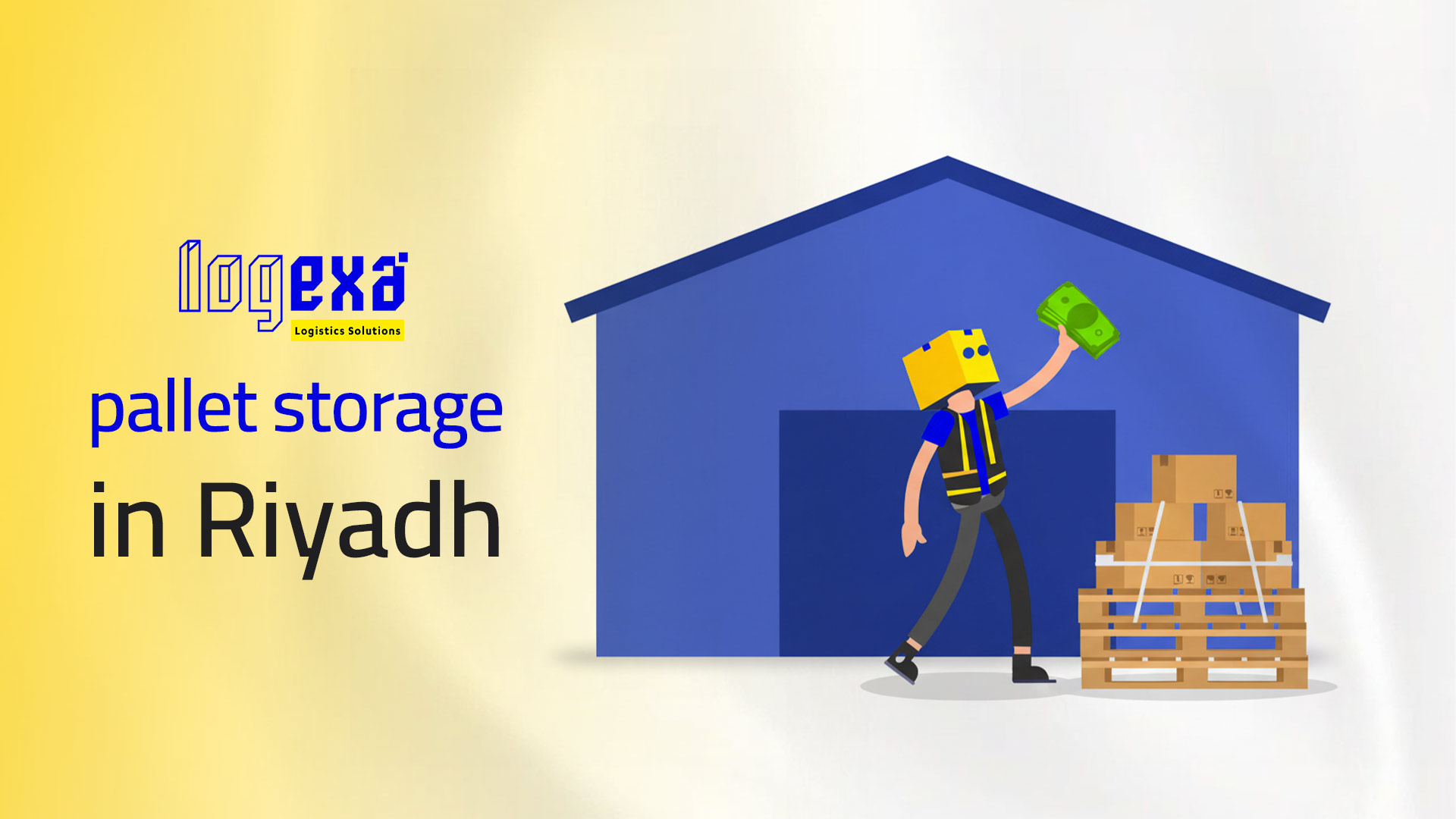
Strategic Pallet Storage in Riyadh The Key to B2B Supply Chain Velocity
Riyadh, as the financial and commercial nucleus of Saudi Arabia, is a critical logistics hub for any B2B operation targeting the Middle East market. For businesses dealing with high volumes of goods, optimizing pallet storage in Riyadh is not merely an operational task; it is a strategic decision that directly impacts speed-to-market and profitability. Leveraging specialized warehousing in this pivotal location ensures efficient inventory flow from port of entry to final distribution.
Riyadh’s Geographical Advantage for Palletized Goods
The central location of Riyadh allows businesses to serve major consumption centers and government projects quickly. Choosing a modern warehousing facility within the city’s industrial and logistics zones provides a crucial advantage: reduced transportation costs and decreased lead times.
This proximity enables quicker order fulfillment and minimizes the high costs associated with long-haul, inter-city transport, thereby enhancing the reliability of your delivery schedules—a non-negotiable factor in B2B relationships.

Optimizing Density and Safety in Pallet Storage
Effective pallet storage goes beyond just stacking. Modern facilities specializing in pallet storage in Riyadh utilize advanced racking systems to maximize vertical space and operational efficiency. The selection of racking—whether selective, drive-in, or push-back—is customized based on inventory throughput (Fast-Moving vs. Slow-Moving) and the required inventory rotation model, such as First-In, First-Out (FIFO).
Equally important is safety. High-quality B2B warehouses must guarantee complete protection for the stored goods. This includes:
-
Structural Integrity: Robust racking and floor load capabilities that meet international safety standards.
-
Climate Control: Provision of temperature-controlled or chilled storage areas for goods sensitive to the Kingdom's climate.
-
Compliance: Adherence to all local civil defense and regulatory standards, offering peace of mind regarding asset protection.

Technology Integration: The Modern B2B Imperative
In today's dynamic supply chain, transparency is essential. Top-tier providers of pallet storage in Riyadh utilize sophisticated Warehouse Management Systems (WMS). This technology is critical as it offers clients real-time visibility into their inventory. Your logistics managers can track every single pallet's location, movement history, and status via a secure online portal.
This level of technological integration streamlines communication, eliminates manual errors, and provides the data necessary for predictive inventory management. By integrating the WMS with your Enterprise Resource Planning (ERP) system, you maintain a unified, accurate view of stock levels, ensuring the right pallets are processed for shipment precisely when needed.
By utilizing a dedicated, professional third-party logistics (3PL) partner for pallet storage, companies can convert capital expenditure into operational expenses, scale their capacity instantly to meet peak demand, and maintain focus on their core business growth within the lucrative Saudi market.

Frequently Asked Questions about Pallet Storage in Riyadh (B2B Focus)
1. How do Pay-Per-Pallet models benefit B2B businesses?
The Pay-Per-Pallet model transforms warehousing from a fixed cost into a variable one. Instead of committing to a large, fixed square footage lease, B2B companies only pay for the exact number of pallets they store on a daily or weekly basis. This flexibility significantly improves cash flow and shields the balance sheet from the burden of unused space during slow seasons.
2. Is there an inventory minimum requirement for specialized pallet storage facilities?
While some facilities may have contractual minimums, modern flexible storage providers in Riyadh are increasingly accommodating to fluctuating inventory levels. It is common to find providers who support smaller initial volumes, allowing businesses to test the market or manage seasonal spikes without being locked into large, long-term contracts.
3. What is the process for submitting an outbound request for stored pallets?
All outbound requests are typically managed through the provider's WMS platform. Your team submits an electronic order specifying the exact pallets (by SKU, batch, or unique identifier) needed for dispatch. The system then processes the order, and the pallets are prepared for efficient loading onto your designated transportation carrier at the scheduled time.
4. How is inventory security ensured within the facility?
Reputable facilities implement multi-layered security protocols. This includes 24/7 CCTV monitoring, controlled access points (restricted to authorized personnel only), comprehensive fire suppression systems, and full inventory insurance coverage. Furthermore, the WMS tracks every movement, providing a clear audit trail for every pallet inside the warehouse.
Related Topics
- Logistics Company in Saudi Arabia
- Warehousing Storage Solutions
- Storage Unit for Rent in Saudi Arabia
- Dammam Warehouse Solutions
Follow Logexa updates on Instagram for logistics and warehousing insights.