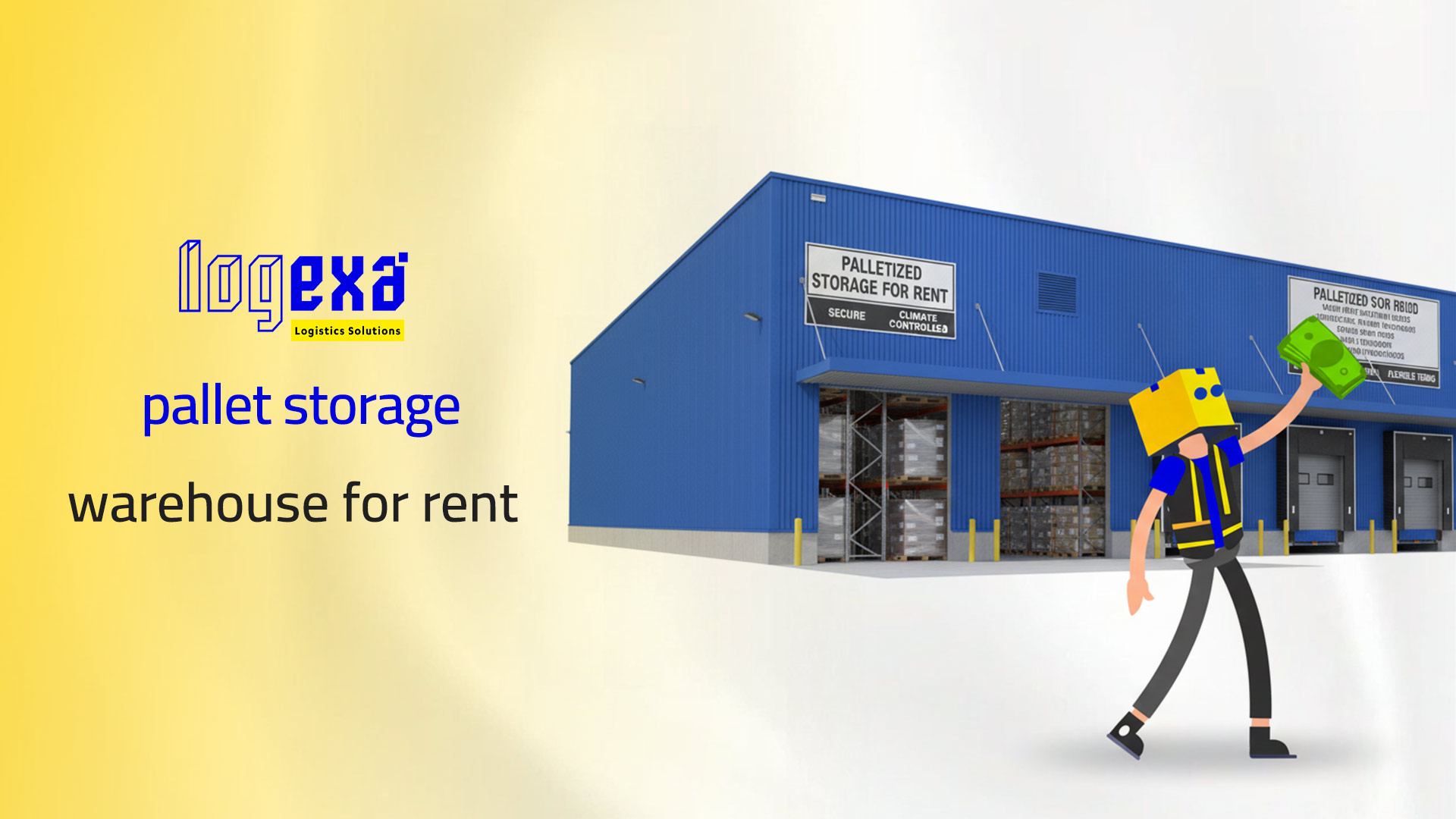
The decision to utilize a pallet storage warehouse for rent is a strategic move for businesses seeking agility without incurring massive capital expenditure. Instead of investing in owned real estate and managing the complexities of warehousing, renting pallet space—whether through a specialized facility or a 3PL (Third-Party Logistics provider)—allows companies to treat storage as a flexible, variable cost (OPEX).
This model is particularly valuable for businesses experiencing seasonal demand spikes, entering new markets, or managing inventory overflow that exceeds their core facility capacity. It transforms static overheads into scalable logistics solutions.
The Dual Advantage: Flexibility and Cost Control
Renting pallet storage provides two critical advantages in a dynamic supply chain environment:
-
On-Demand Scalability: The primary benefit is elasticity. Businesses can scale up their storage capacity during peak seasons (e.g., holiday rushes) and scale down afterward, paying only for the space utilized. This prevents the costly scenario of having excess, idle space during slow periods.
-
Optimized Cost Structure: Renting converts the high upfront costs (CAPEX) associated with property purchase, specialized racking installation, and material handling equipment into predictable monthly operational expenses. Furthermore, it offloads overheads such as utility bills, facility maintenance, and security, allowing the business to focus capital on core operations.

Key Considerations When Renting Pallet Space
Selecting the right pallet storage warehouse for rent requires careful due diligence. Key factors to evaluate include:
-
Location and Access: Proximity to major transportation hubs, ports, and last-mile delivery points is crucial to minimize transit times and fuel costs.
-
Infrastructure Match: Confirm the provider’s racking system (e.g., Selective, Drive-In, Pallet Flow) matches your inventory rotation needs (LIFO vs. FIFO) and product characteristics (weight, dimensions).
-
WMS Integration: Check if the warehouse uses a modern Warehouse Management System (WMS) that can integrate with your existing ERP or inventory systems. Digital connectivity ensures real-time inventory visibility and accurate reporting.
-
Security and Insurance: Investigate the facility’s security measures (CCTV, access control, fire suppression) and verify that their general liability insurance policy covers your stored goods, or if separate cargo insurance is required.
-
Additional Services: Many rental providers offer value-added services (VAS) like cross-docking, kitting, packaging, and fulfillment. These services can streamline your operations further, consolidating storage and logistics tasks under one roof.
Choosing a rental solution based on these factors ensures that you secure an asset that supports—rather than hinders—your overall supply chain strategy.

Frequently Asked Questions about Pallet Storage Warehouse Rental
1. What is the difference between renting pallet storage and hiring a 3PL?
Renting pallet storage often refers to leasing space only (a dedicated or shared floor area), where you manage your own inventory movement. A 3PL (Third-Party Logistics) offers a bundled service, including the storage space plus labor, equipment, WMS, and value-added services like picking, packing, and shipping.
2. How are rental rates typically structured for pallet storage?
Rates are usually structured based on three models: Per-Pallet-Per-Day (PPPD), which is best for high-variability inventory; Fixed Square Footage, best for stable, long-term storage; or a combination of a fixed base fee plus variable activity fees.
3. Is temperature control included in standard pallet storage rates?
No. Standard pallet storage rental typically refers to ambient (dry) storage. Climate-controlled or specialized storage (refrigerated/frozen) is considered a premium service and will carry significantly higher rates. Always specify temperature requirements upfront.
4. What is 'dynamic slotting' and why is it important in a rental warehouse?
Dynamic slotting is a WMS-driven practice where products are moved to different, optimal locations within the warehouse based on their current velocity and order patterns. In a rental environment, it ensures the provider is using the cube space as efficiently as possible, potentially leading to better service or optimized handling fees for the renter.

